
Safeguard America’s skies while building a stable federal career. Learn the steps, pay, and perks of becoming a Transportation Security Officer. Discover how training works and why you’re paid from day one.
What Is a TSA Agent?
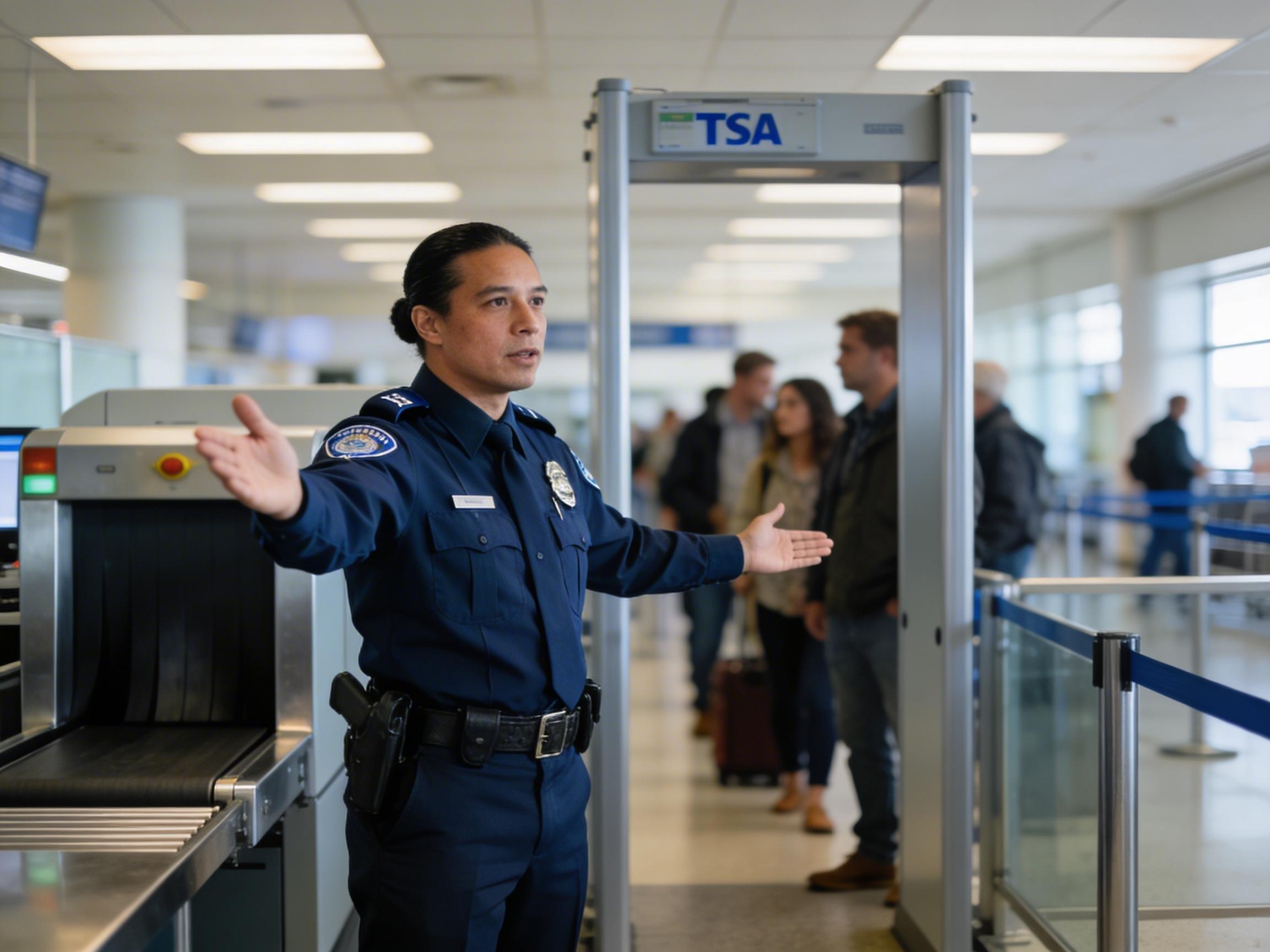
A “TSA agent” most often refers to a Transportation Security Officer (TSO), the frontline professional who screens passengers, baggage, and cargo at U.S. airports to stop prohibited items and security threats. TSOs are vital to homeland security and customer flow: they verify IDs, operate X-ray/advanced imaging technology, conduct pat-downs when required, and resolve alarms with professionalism and discretion. While TSOs are not traditional law enforcement officers and do not carry firearms, they follow strict federal procedures and coordinate with law enforcement partners when necessary.
The Transportation Security Administration also employs specialists, leads, supervisors, canine handlers, inspectors, and federal air marshals, offering multiple paths once you begin as a TSO. To explore roles and mission, visit Jobs at TSA and the official overview at Careers at TSA.
How to Become a TSA Agent: Step-by-Step
- Confirm eligibility: You must be a U.S. citizen or national, age 18 or older, with a high school diploma/GED or equivalent experience, and able to pass a background check, drug screening, and medical exam. You’ll need to lift/carry up to 50 lbs, stand for extended periods, and meet color vision and hearing standards.
- Find openings: Search current TSO vacancies by airport at Transportation Security Officer and broader roles at Careers at TSA.
- Apply online: Submit your application and required documents through the TSA jobs portal. Review the official Federal Hiring Process to understand timelines and what to expect.
- Take the TSA CBT: Qualifying applicants complete the Computer-Based Test, which typically includes English comprehension and image/object recognition similar to X-ray interpretation. You’ll receive instructions to schedule at an approved test site.
- Structured interview: If you pass the CBT, you’ll attend a panel interview assessing judgment, customer service, teamwork, and scenario responses that mirror real checkpoint decisions.
- Medical, drug test, and background: Candidates complete a medical evaluation and drug screening. Your background investigation includes fingerprinting and a security clearance process.
- Contingent offer and onboarding: If selected, you’ll receive a tentative offer contingent on final clearances. After that, you’ll be scheduled for paid training, which includes on-the-job and academy instruction.
For another perspective on the process and recommended skills, you can review a concise, third-party summary such as this step-by-step overview from Indeed. Always verify requirements and timelines against official TSA sources.
Get Paid for Training
Unlike many entry-level pathways, TSA pays you while you train. New TSOs start earning their regular salary as soon as onboarding begins. Training typically occurs in two parts:
- On-the-job training at your airport: You’ll shadow experienced TSOs, learn standard operating procedures, and practice equipment operations in a controlled setting.
- TSA Academy instruction: Many new hires attend the TSA Academy, where hands-on labs, scenario drills, and assessments reinforce safety, security, and customer service protocols. Travel and lodging are generally arranged and covered, and you continue to receive pay during this period. Per diem may apply depending on location and agency policy.
Training timelines vary by airport and class availability, but you can expect several weeks of combined learning before full certification at your checkpoint. The agency invests heavily in skill-building so you can perform confidently on the floor.
How Much Money You Can Make
TSA implemented a modernized pay system that aligns more closely with federal General Schedule locality rates, improving compensation and career growth. TSO pay varies by airport because locality pay reflects the cost of labor in each region. Your total earnings can also increase with overtime, shift differentials, Sunday/holiday premium pay, and advancement to lead and supervisory roles.
Common progression for TSOs includes Lead TSO (LTSO), Supervisory TSO (STSO), Training Instructor, Security Support Assistant roles, or cross-moves into specialized programs. As you advance, your pay band rises, and your earning potential grows accordingly. Federal benefits add significant long-term value: health insurance options, dental/vision, life insurance, retirement through FERS, and the Thrift Savings Plan (with agency match up to applicable limits), plus generous paid leave and federal holidays.
Below are example starting salaries frequently seen in recent postings. These are illustrative estimates; actual offers depend on pay band, locality, and experience. Check current vacancy announcements on Careers at TSA and Jobs at TSA.
| Airport (City) | Role / Pay Band | Est. Starting Salary |
|---|---|---|
| JFK (New York, NY) | TSO — Band D/E | $51,000 |
| LAX (Los Angeles, CA) | TSO — Band D/E | $50,900 |
| DCA/IAD (Washington, DC area) | TSO — Band D/E | $49,600 |
| ORD (Chicago, IL) | TSO — Band D/E | $48,400 |
| SEA (Seattle, WA) | TSO — Band D/E | $49,100 |
| BOS (Boston, MA) | TSO — Band D/E | $48,800 |
| DEN (Denver, CO) | TSO — Band D/E | $48,300 |
| MIA (Miami, FL) | TSO — Band D/E | $46,900 |
| ATL (Atlanta, GA) | TSO — Band D/E | $46,600 |
| DFW (Dallas–Fort Worth, TX) | TSO — Band D/E | $46,800 |
Daily Work, Schedule, and Lifestyle
Airports run 24/7/365, which means TSOs work early mornings, nights, weekends, and holidays on rotating shifts. Expect high public contact and a fast pace, with strict adherence to security procedures and customer service standards. The role is active—standing, walking, lifting—and you’ll use judgment to resolve alarms and communicate clearly with passengers to keep lines moving.
Advantages and Considerations
- Job stability: Federal employment with predictable pay and broad benefits.
- Paid training: Earn a salary while you learn, with travel/lodging typically covered for academy sessions.
- Clear advancement: Multiple pathways to supervisory and specialized roles across the agency.
- Mission impact: Direct contribution to national security and safer travel for millions.
- Considerations: Shift work, standing for long periods, and frequent public interaction under time pressure.
Your Next Steps
- Explore open vacancies for TSOs at your nearest airport: Transportation Security Officer
- Learn about benefits, career paths, and mission: Careers at TSA and Jobs at TSA
- Understand timelines, required documents, and what happens after you apply: Federal Hiring Process
If you’re ready to earn a steady paycheck, get paid for training, and serve travelers across the United States, a TSO position is a strong place to start. Apply for a nearby airport, complete the streamlined hiring steps, and launch a federal career with real upward mobility.