Wondering how much your car is worth right now? The Australian used-car market is shifting fast, and smart sellers are turning that to their advantage. A few simple checks could uncover thousands in hidden value.
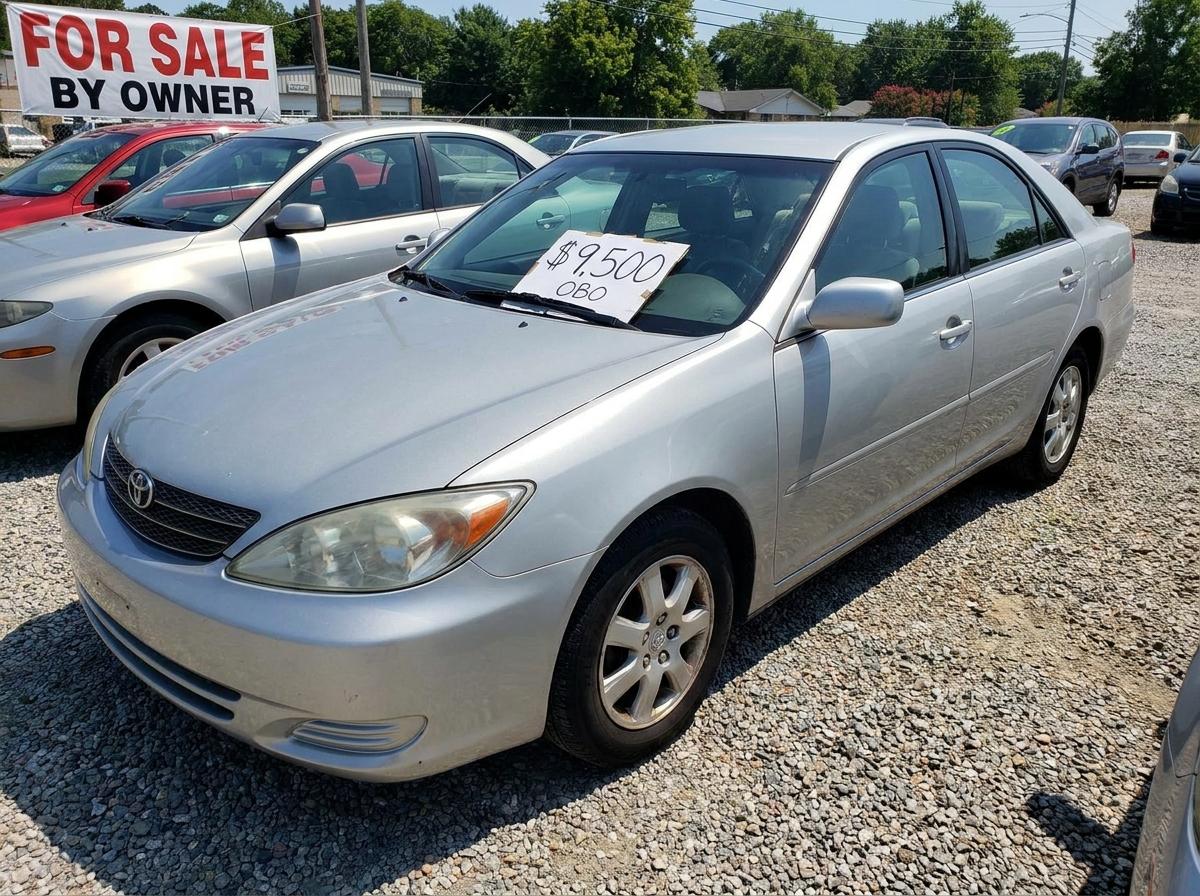
What “market value” really means in Australia
Market value is the price an informed buyer would pay for your exact vehicle today—make, model, year, kilometres, condition, service history, options and location all included. It is not the original RRP, the payout on your finance, or even the highest ad you’ve seen online. It’s the number that reconciles what buyers are actually paying with how your specific car stacks up against competing listings within driving distance of your postcode.
In practice, market value sits in a range. On any given day, a private-sale price will usually be higher than a dealer trade-in price and a touch lower than a dealer retail sticker (because buyers pay for warranty, reconditioning and convenience at a yard). For insurance, your policy might reference “market value” or an “agreed value”—revisit this figure annually, because prices move.
The Biggest Factors Affecting Vehicle Value Today
Several forces are reshaping what cars fetch across Australia this year:
- Normalising supply and rates: New-car supply has largely recovered from pandemic shortages, and higher borrowing costs have cooled some demand. Many mainstream used models have eased from 2021–22 peaks, making accurate pricing critical.
- Fuel prices and running costs: Efficient small cars and hybrids remain popular when petrol prices climb, while thirsty performance models and large SUVs can soften unless exceptionally well kept.
- EV price realignment: Aggressive new EV pricing and technology updates can compress used EV values faster than comparable petrol vehicles. Battery condition, warranty coverage and DC charging capability heavily influence EV resale.
- Brand and model reputation: Toyota, Subaru and Mazda family favourites with robust reliability reputations hold value well. Utes and 4x4s with genuine off-road credibility are resilient, especially in regional markets.
- Service history and condition: A full, documented service history (preferably dealer or specialist) materially increases buyer confidence. Cosmetic presentation and tyre/brake condition steer first impressions and price negotiations.
- Location and seasonality: Localised demand matters. A well-optioned city hatch may sell faster in Columbus, while dual-cab utes and AWD SUVs can command stronger money in regional and mining hubs. Convertibles tick up in spring; 4x4s in winter and holiday periods.
How Mileage, Condition, and Demand Impact Pricing
A few core levers move the needle more than any others:
- Kilometres (km): For mainstream vehicles, every extra 10,000 km can trim roughly 1–3% off value, with steeper penalties past major thresholds (e.g., 100,000 km and 150,000 km). Conversely, unusually low km—supported by documented history—can add 5–10%.
- Condition grade: Clean paint, straight panels, fresh tyres, cold A/C, and up-to-date consumables often mean a 5–15% premium over “average.” Accident repairs that are high quality and transparently documented are usually fine; poorly repaired damage depresses value significantly.
- Service history: A stamped logbook and receipts reduce buyer risk and can add 3–7%. Missed intervals or unknown history push your listing into the “bargain” segment.
- Spec and options: Popular colours, Apple CarPlay/Android Auto, safety packs, factory tow bars, and sunroofs can each nudge price up, depending on the model. Rare or niche options can limit your buyer pool if they don’t align with local preferences.
- Market demand: When a model is in short supply or strongly sought after (e.g., reputable hybrids, late-model utes), expect faster sales at the top of the range. When supply is heavy, price sharply to stand out.
- Sale channel: Dealer trade-ins are typically 10–20% below private sale value, reflecting reconditioning, warranty, and margin. “Instant offer” services also discount for speed and certainty.
Simple Ways to Estimate Your Car’s Current Market Value
Blend instant valuation tools with real-world listings to triangulate a confident asking price:
- Start with trusted valuation engines: Get a quick benchmark from the carsales free valuation, compare against the CarsGuide price calculator, and cross-check with the long-standing RedBook price guide. In Queensland, the RACQ car valuation is another useful data point. NSW buyers and sellers can also reference the state’s resource at Service NSW market value finder.
- Filter comparable listings near you: Search major marketplaces for your exact year, engine, transmission and trim within 50–100 km. Note the km, service history, and condition. Save 6–10 close matches to average and set a realistic bracket.
- Adjust for km and condition: If your car has 20,000 km fewer than the cluster, add a modest premium; if it needs tyres or brakes, budget that off your price. A full detail and minor paint correction can return multiples of their cost.
- Sense-check against recent sales: Completed listings and dealer “just sold” notes help you avoid chasing aspirational prices that sit for weeks.
Below are indicative private-sale price brackets from large Australian cities for popular models, assuming good condition and average kilometres for age. Use these as a sense-check alongside the tools above.
| Model & Year | Typical Private Sale Range (AU$) | City |
|---|---|---|
| 2016 Toyota Corolla Ascent (Auto) | $12,500–$16,500 | Sydney |
| 2017 Mazda3 Neo (Auto) | $13,500–$18,000 | Melbourne |
| 2015 Hyundai i30 Active | $9,000–$13,000 | Brisbane |
| 2018 Toyota Hilux SR5 4x4 Dual Cab | $41,000–$55,000 | Perth |
| 2016 Subaru Forester 2.5i | $16,000–$22,000 | Adelaide |
| 2019 Kia Cerato S (Auto) | $17,000–$23,500 | Canberra |
| 2017 Volkswagen Golf 110TSI Comfortline | $15,000–$20,500 | Hobart |
| 2015 Holden Commodore SV6 | $17,000–$24,000 | Gold Coast |
Note: Ranges are indicative of typical advertised prices and recent sales activity; verify with valuation tools and local comps for your exact vehicle.
A quick DIY pricing formula you can use today
Use this simple approach to hone in on “live” market value before you list:
- Start with a median: Average 6–10 close comps within 50–100 km to form a midpoint.
- Adjust for kilometres: Move your number about 1–3% for each 10,000 km above/below the comp average, with larger steps past 100,000 km.
- Account for condition: Add 5–10% for excellent presentation, new tyres/brakes, and a complete service file; subtract the cost-to-rectify for any obvious needs.
- Consider sale channel: If you want a fast dealer trade-in, expect 10–20% below your private-sale target. For an “instant offer,” similar discounts may apply.
Worked example: If comparable Mazda3s are listing at $16,000 with 95,000 km and your car has 75,000 km, full history and near-new tyres, a fair private-sale ask might be $16,000 + 4% (km advantage) + 5% (condition) ≈ $17,300. Price at $17,490–$17,990 to test demand, then review enquiries in the first 72 hours.
Boost your car’s value before you advertise
Small investments can generate outsized returns:
- Detail and presentation: A professional detail, headlight restoration and a paint touch-up pen typically add far more value than they cost.
- Rubber, brakes, and fluids: Replacing worn tyres or warped rotors reduces buyer objections and can lift offers by hundreds.
- Paperwork ready: Gather the logbook, receipts, PPSR report, spare keys and owner’s manual. Transparency sells.
- High-impact photos: Shoot in soft daylight, highlight key features, and include tyre tread, odometer and service stamps.
- Honest, data-backed price: Reference your valuation research and comps to justify your ask and negotiate with confidence.
Private sale, trade-in, or instant offer?
Your timeline and risk tolerance shape the best path:
- Private sale: Highest potential return; requires time for enquiries, inspections and paperwork. Ideal when you have clean history and standout condition.
- Dealer trade-in: Fast and simple; expect a lower figure. Useful when upgrading to a new car with strong drive-away deals.
- Instant offer/buyers: Very quick and predictable; price reflects convenience and immediate settlement.
Your next steps
- Get three data points right now: the carsales free valuation, the CarsGuide price calculator, and the RedBook price guide for spec-level detail.
- Cross-check with RACQ’s valuation tool and, if you’re in NSW, the Service NSW market value finder.
- Shortlist 6–10 comparable listings near you, adjust for km and condition using the rules above, and set a sharp, defensible asking price.
Answering “how much is your car worth?” starts with good data, then tailoring it to your exact vehicle and location. With the right prep and pricing strategy, you’ll attract better buyers, negotiate from strength, and sell with confidence in today’s Australian market.