Steel boxes are becoming beautiful dwellings. Buyers across the country are drawn to speed, style, and value. See how container homes are reshaping what’s possible.
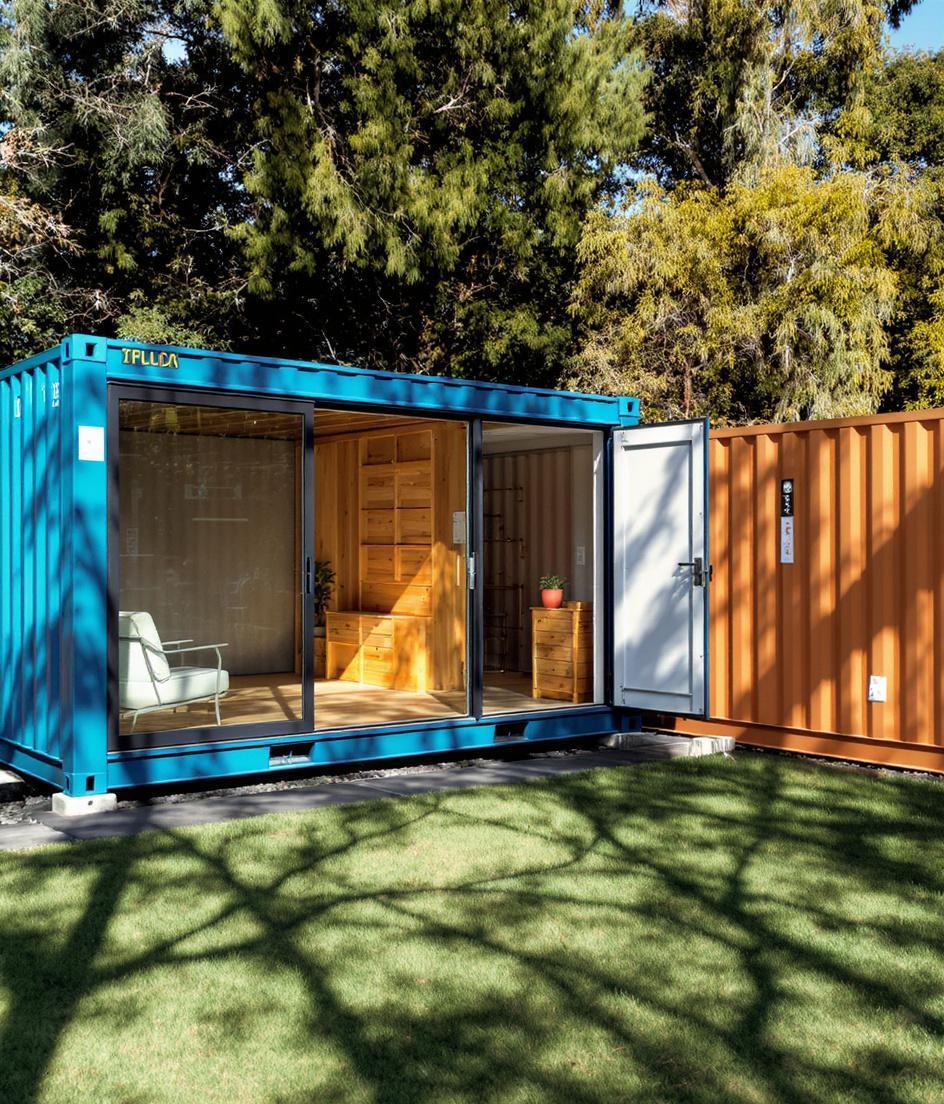
How Shipping Containers Are Being Transformed Into Modern Homes
What began as a clever reuse of surplus cargo containers has evolved into a full-fledged homebuilding movement. Standard ISO containers—typically 20-foot or 40-foot lengths and 8 feet wide, with “High Cube” models offering an extra foot of height—are being cut, framed, insulated, and finished into sleek residences that rival high-end modular and site-built homes. Builders reinforce openings with steel tubing, add engineered headers, and integrate conventional wood or light-gauge steel framing to create spacious interiors with abundant glass and contemporary lines. Stack-and-stitch configurations allow multiple containers to be combined into two-story family homes with generous floor plans, rooftop decks, and flexible rooms.
Homeowners and architects are exploiting the container’s structural strength to achieve wide window walls, cantilevered volumes, and rapid on-site assembly. Insulation strategies now match mainstream construction: closed-cell spray foam to combat condensation and thermal bridging; mineral wool for fire resistance and sound control; and exterior rigid insulation with rain screens for high-performance envelopes. Mechanical systems—from mini-split heat pumps to heat-recovery ventilation—pair well with the tight steel shell, delivering energy-efficient comfort.
For inspiration, you can explore a curated set of standout builds through this collection of real-world projects: 15 shipping container homes to inspire your next build. For a nature-forward design take, see this nature-inspired container living showcase that blends rustic warmth with modern form. Big-picture thinking on where this movement is headed can be found in perspectives on the future of container-based housing and why many consider them part of the next wave of attainable homes: why container homes are the houses of the future.
The Costs, Benefits, and Trade-Offs Buyers Should Know
Container homes are appealing because they promise speed, durability, and style—but like any housing option, they come with nuanced cost dynamics.
- Costs: A used 40' High Cube container might cost $3,500–$7,000 delivered, but the finished home price depends on engineering, insulation, windows/doors, interior finishes, utilities, and site work. Most turnkey container homes today land around $150–$400 per square foot depending on region, specification, and complexity. Rural sites with simple pier foundations can cost significantly less than urban infill projects requiring craning, utility upgrades, and strict code compliance.
- Benefits: Containers provide a robust steel structure with excellent wind resistance and portability. The modular format enables fast assembly, predictable factory quality, and straightforward expansion—add a second unit later to create a new bedroom wing or studio. Many buyers also value the reuse story and reduced site disruption compared with lengthy stick-built construction.
- Trade-Offs: The 8-foot exterior width constrains interior planning; you’ll often need bump-outs, smart built-ins, or multi-container layouts to avoid narrow rooms. Cutting large openings reduces structural capacity and demands skilled reinforcement. Insulation and thermal bridging must be managed carefully to avoid condensation. Finally, permitting and appraisals can take longer where building departments and lenders are unfamiliar with this housing type.
Below are indicative, public-facing “starting at” prices commonly seen from U.S. container home specialists. Always confirm current pricing, scope, and inclusions with the provider.
| Provider (Location) | Typical Base Model / Size | Published Starting Price (USD) |
|---|---|---|
| Backcountry Containers (TX) | 40' High Cube “Rustic Retreat” ~320 sq ft | $110,000+ |
| Custom Container Living (MO) | 20'/40' Tiny Home Models ~160–320 sq ft | $62,000+ (model dependent) |
| Alternative Living Spaces (NV) | Studio 20' ~160 sq ft | $59,000+ |
| MODS International (WI) | MODS 40' ~320 sq ft | $65,000+ |
| Honomobo (U.S. West) | H02 ~640 sq ft | $259,000+ |
| Relevant Buildings (OR) | De Lux (2×40') ~780 sq ft | $195,000+ |
| Cargotecture (WA) | CargoCabin 20' ~160 sq ft | $65,000+ |
| Kubed Living (CA) | K320 40' ~320 sq ft | $165,000+ |
What to Consider Before Starting a Container Home Project
Before you put down a deposit, align your vision, budget, and local requirements so your build proceeds smoothly.
- Zoning and Codes: Confirm whether a container home is allowed on your lot and how it will be classified (modular, site-built, accessory dwelling unit). Talk to your Columbus building department early about required engineering for wind, seismic, and snow loads, foundation type, and energy code compliance (e.g., exterior insulation and continuous air barrier).
- Permitting Path: Some jurisdictions require third-party inspection at the factory; others want full on-site inspections. Determine whether the builder is licensed in your state and accustomed to local approvals.
- Site and Foundation: Containers can sit on helical piers, concrete piers, or slabs. Soil conditions, frost depth, and flood/wildfire zones affect design and cost. Plan utility routing in advance—especially sewer elevations—to avoid costly changes during set.
- Structural Strategy: Big openings and multi-container spans require professional engineering and steel reinforcement. Ask for stamped drawings and details on corrosion protection for cut edges.
- Envelope and Comfort: Insulation and condensation control are mission-critical. Closed-cell spray foam at the steel skin limits vapor drive; adding exterior rigid insulation curbs thermal bridging. Specify quality windows, air sealing, and ventilation to ensure indoor air quality.
- Materials and Health: Many containers have treated plywood floors; your builder should either replace floors or fully encapsulate them with appropriate barriers. Request documentation on any reused components and low-VOC finishes.
- Scope, Allowances, and Contingency: Nail down inclusions: appliances, steps/porches, utility connections, craning, and permit fees. Carry a 10–15% contingency for site surprises and potential code-driven changes.
- Timeline and Logistics: Factory lead times can run 8–24 weeks depending on season and complexity. Coordinate delivery routes, crane access, and staging areas; a smooth set day can save thousands.
Financing, Insurance, and Resale Realities
Financing can be different from conventional stick-built homes. Some lenders treat container homes like modular construction and will underwrite with a construction-to-permanent loan, while others hesitate due to limited comparable sales. Partner with a lender who has closed container or modular deals in your state. For insurance, carriers typically can bind coverage once the home is permanently affixed and meets code; ask your builder for documentation proving compliance and certifications.
On resale, education and marketing matter. Highlight factory quality, energy efficiency, and engineering in your listing materials, and provide thorough documentation for appraisers and buyers. For practical marketing tips geared to this niche, see these strategies for selling container homes.
Why They’re Capturing Attention Across the Country
Americans are searching for housing that is faster to build, more adaptable, and architecturally fresh. Container homes deliver on all three fronts: a durable, pre-engineered structure that can be configured for urban backyards, suburban infill, and rural retreats alike. For many, an accessory dwelling made from one 40' High Cube becomes a rental that offsets the mortgage; for others, a multi-container primary residence offers contemporary style and smaller environmental impact. When combined with thoughtful design, high-performance envelopes, and code-savvy engineering, container homes become less a trend and more a practical path to quality housing—whether you’re building a weekend cabin or a family home.
If you’re ready to explore further, study real projects, talk to local officials in Columbus, and interview builders who can show stamped plans and clear scopes. With the right team and expectations, your container home can move from concept to keys with remarkable speed—and lasting value.